Showdown: Where Only Skill Matters
Why Showdown Will Never Be Pay-to-Win and What We Learned From Games That Were.
I've spent over 20 years in competitive gaming. I've played the vast majority of TCGs at a high level, and some of them became my profession. My biggest achievements came in Magic: The Gathering and Hearthstone - two games I loved deeply, but that also taught me hard lessons about what happens when business models get in the way of competition.
Showdown is the competitive TCG we're building from the ground up to fix exactly that. As the CEO, I want to walk you through the design philosophy behind our economy - where it comes from, why it matters, and what it means for you as a player.
Let me start with the experiences that shaped our thinking.
Lesson 1: Entry Barriers Kill Dreams
When I started playing Magic: The Gathering as a 12-year-old, I loved the game more than anything. But I couldn't afford the cards I needed to build competitive decks. No matter how much I studied or practiced, I was locked out of real competition by price tags.
That frustration pushed me toward chess and eventually poker. And here's the thing about poker - even though the money aspect is enormous, the barrier to competing on equal terms is virtually zero. You can start with freerolls, grind low stakes, and build your bankroll purely on skill. From freerolls all the way up to facing the best in the world.
It was only after earning money through poker that I could finally return to Magic and build the decks I always wanted. That path eventually led me to becoming a Magic Pro Tour Champion. But think about that for a second. I needed an entirely different game to fund my way into competitive Magic. That shouldn't be how it works.
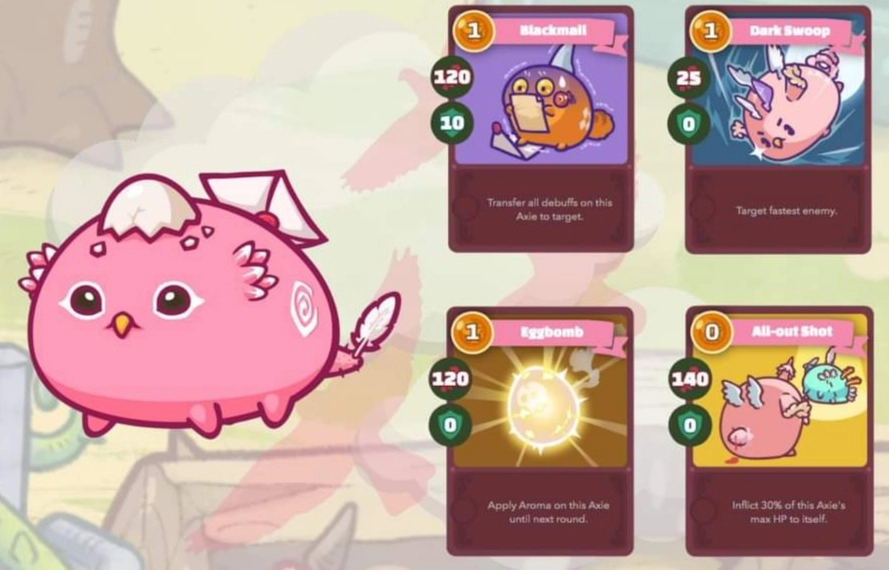
If Magic's pay-to-win problem was bad, Axie Infinity took it to another level. When two Birds faced each other, the one that attacked first usually won. Speed determined who struck first - fair enough.
But when Birds had equal speed, the tiebreaker was the age of the NFT. Whoever minted first, won. Ancient Birds became impossibly expensive, and the oldest ones weren't even for sale. After losing several games to a mechanic I could never overcome regardless of skill, I quit.
The takeaway: if money determines who wins, your game has a shelf life.
Lesson 2: If Players Invest Money, They Should Own Something Real
This is something Magic: The Gathering got right with physical cards. When I eventually stopped playing competitively, I sold my collection for fair market value. The money I'd put in wasn't lost.
Hearthstone was a different story. Over years of playing and buying packs, I built a collection worth thousands of dollars.
But the moment I stopped playing, all of that value was locked in my account forever. I'll never see a single dollar back. That collection is still sitting there today.
The takeaway: players who spend money in your game deserve the ability to get value back out.
Lesson 3: The Best Status Symbols Can't Be Bought
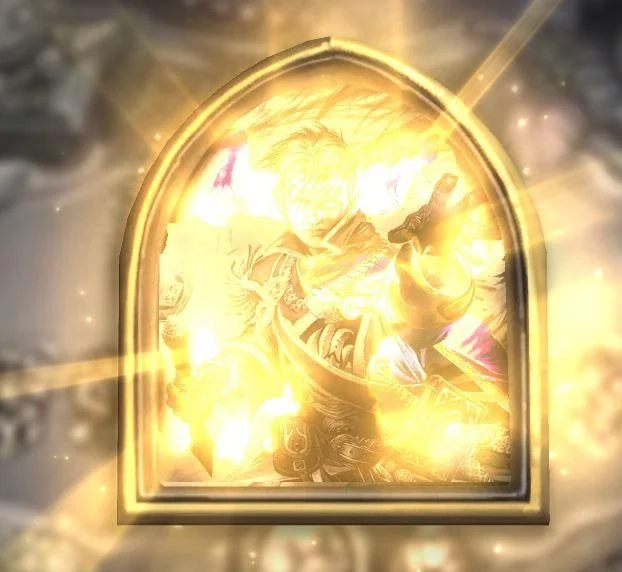
One of my favourite achievements in Hearthstone was the golden hero portrait you earned after winning 500 ranked games with a class. There were also exclusive card backs earned by qualifying for major tournaments. These items meant something because you had to earn them. When you saw a golden Priest across the table, you knew that player had put in the work.
The takeaway: achievement-based rewards that can't be purchased or traded create real prestige in a community.
How We Built Showdown Around These Lessons
Everything above shaped the core economy of Showdown. Here's how each lesson translates into our design:
All Cards Are Free. Always.
This is our Golden Rule. In Showdown, it will never matter how much money anyone has invested in the game when it comes to winning. We will never introduce any item that increases a player's chance of winning.
Our business model mirrors poker: when players compete for money (1v1 or tournament), the house takes a small cut (rake). For example, in a $100 tournament, $95 goes to the prize pool and $5 goes to Showdown. And even that rake won't be active until the ecosystem is large enough to support it.
Earn What Money Can't Buy
Certain cosmetics in Showdown won't be available in any store. The only way to get them is by completing specific achievements - like reaching a certain number of wins with a Showdown class. These rewards will be Soulbound Tokens (non-transferable NFTs), permanently locked to your account. When you see someone with one, you'll know they earned it.
Everything You Buy, You Truly Own
All purchasable items in Showdown - whether bought with USDM or Showpoints - will be either cosmetic or ecosystem-related (like reduced rake). None of them will ever provide a gameplay advantage. Every item is represented as an NFT, which means players can freely resell anything they've purchased.
First Mint: May 1st, 2026
We're putting this philosophy into action with our very first NFT drop on May 1st. Here's what to know:
The first edition will be limited to 100 NFTs, each giving the owner a unique visual for their player avatar. 50 will be available in the Showdown Store for 25,000 Showpoints. The remaining 50 can only be won in Showdown tournaments, the first opportunity being the Spring Championship.
These are classic, tradeable NFTs. Buy them, win them, trade them - they're yours.
What's Coming Next
We have a full roadmap of NFT categories planned beyond the First Mint:
- Visual NFTs: card backs, board skins, and special class suit designs that let you personalize your Showdown experience.
- Ecosystem NFTs: practical perks like Showpoints earning boosts and reduced rake, giving active players more value without any competitive advantage.
- Token Allocation NFTs: holders of these will receive Showdown tokens at the moment of our Token Generation Event (TGE).
Each of these categories will get its own deep-dive article as we get closer to launch. For now, I want you to know that every decision we make comes back to the same principle: skill wins games, not wallets.
See you at the tables.
.png)